Full Moisture and Mold Inspection
Thermal imaging, moisture meters, and bore scope inspection of every suspect wall, ceiling, and crawl space. We identify the water source and the true extent of growth before quoting a single dollar of work.
When mold shows up after a leak, storm, or humid Gulf Coast summer, Mold Remediation Ocean Springs MS from our team stops it at the source. We handle mold removal Ocean Springs homeowners and businesses call us for every week, from crawl space growth in Gulf Hills to attic mold after a roof leak near East Beach. We test, contain, remove, and verify - then hand you documentation your insurance adjuster can use.
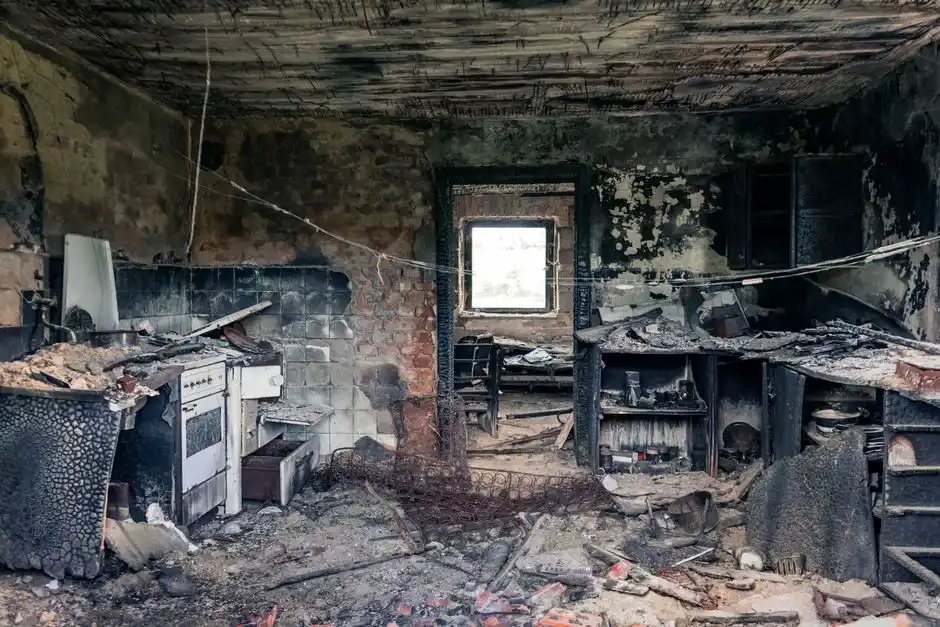
Mold Remediation Ocean Springs MS is the licensed process of locating hidden mold growth, containing it, physically removing contaminated materials, and restoring indoor air quality to safe levels. It is not a bleach wipe-down. Our technicians use moisture meters, thermal imaging cameras, and bore scopes to find the water source feeding the colony, because mold returns every time until that source is fixed. We remove affected drywall, insulation, baseboards, and carpet padding, treat framing with antimicrobial spray, then run HEPA air scrubbers and dehumidifiers until spore counts pass clearance testing.
Ocean Springs sits in one of the wettest, most humid pockets of Mississippi. Average summer humidity runs above 75 percent, and storm surge flooding from the Gulf pushes water into slab-on-grade homes that never fully dry on their own. That combination makes hidden mold growth common in crawl spaces, behind kitchen cabinets, and under hardwood flooring. If you are searching for mold cleanup services near me Ocean Springs after a burst pipe, slab leak, or water heater leak, the clock matters: mold can colonize wet drywall in 24 to 48 hours.
Every mold job we quote includes inspection, containment, removal, drying, and clearance coordination. Reconstruction is quoted separately so you can see exactly what the remediation itself costs versus the rebuild.
Thermal imaging, moisture meters, and bore scope inspection of every suspect wall, ceiling, and crawl space. We identify the water source and the true extent of growth before quoting a single dollar of work.
Air and surface samples sent to an accredited lab, with results in 24 to 48 hours. You get a written report showing mold type and spore counts - useful for insurance, resale, and your own peace of mind.
Sealed poly barriers, zip-wall doors, negative air pressure, and HEPA air scrubbers running for the life of the job. Spores stay in the work zone instead of drifting into your bedrooms and kitchen.
Contaminated drywall, insulation, baseboards, and carpet padding removed and bagged on site. Framing HEPA-vacuumed and treated with antimicrobial spray to stop regrowth on surfaces that stay.
Dri-Eaz and Phoenix dehumidifiers plus B-Air air movers run until moisture readings hit target. We log readings twice daily and share them with you so you can see the structure actually drying.
We schedule the independent hygienist, meet them on site, and stay through the final samples. If clearance fails, we re-clean at no extra cost until it passes.
We walk the property with moisture meters, a FLIR thermal imaging camera, and a bore scope to map every wet zone. Air and surface samples go to an accredited lab, and you get results in 24 to 48 hours. This tells us the mold type, the spore count, and the true boundary of the contamination before anyone touches a wall.
We seal the work area with 6-mil poly sheeting and zip-wall doors, then run negative air pressure so spores cannot drift into clean rooms. HEPA air scrubbers cycle the air continuously. On a typical 300-square-foot affected area, containment takes two to three hours to build and holds for the life of the job.
Contaminated drywall, insulation, carpet padding, and baseboards come out and get bagged on site. Structural framing gets HEPA-vacuumed, then treated with antimicrobial spray. Porous materials that cannot be cleaned are removed - there is no salvaging moldy carpet padding, and we will not pretend otherwise.
Dri-Eaz and Phoenix dehumidifiers plus B-Air air movers run until structural moisture reads at or below 15 percent on our hygrometer. That usually takes two to four days. We log readings twice daily so you can see the numbers trending down, not just take our word for it.
A third-party industrial hygienist performs post-remediation verification - air samples that confirm spore counts are back to normal outdoor baseline. Once clearance passes, we move straight into reconstruction: new drywall, paint, trim, and flooring. Most full jobs wrap in seven to fourteen days.
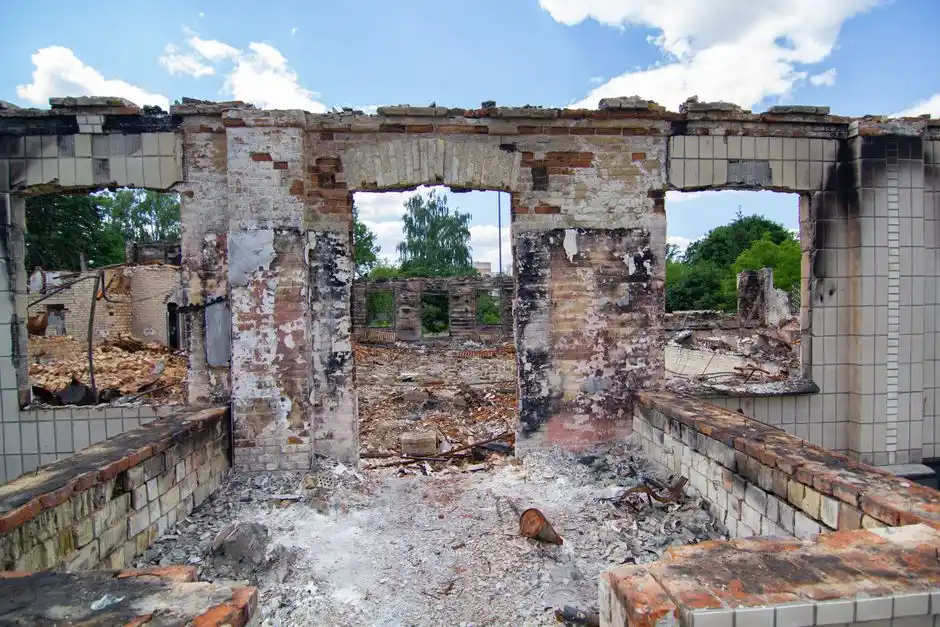
We walk the property with moisture meters, a FLIR thermal imaging camera, and a bore scope to map every wet zone. Air and surface samples go to an accredited lab, and you get results in 24 to 48 hours. This tells us the mold type, the spore count, and the true boundary of the contamination before anyone touches a wall.
Reveals temperature differences behind walls that indicate hidden moisture. Finds mold growth you cannot see and confirms the true boundary of the affected area before we cut.
Reads exact moisture content in drywall, framing, and subfloor. We log readings twice daily so drying progress is documented with numbers, not guesses.
Commercial LGR dehumidifiers pull hundreds of pints of water per day out of the air. Essential in Gulf Coast humidity, where household units cannot keep up.
High-velocity fans that evaporate moisture off surfaces so dehumidifiers can capture it. Positioned per IICRC drying standards for maximum efficiency.
Filter airborne mold spores down to 0.3 microns. Run continuously inside containment to protect the rest of your home during removal.
A camera on a flexible probe that lets us look inside wall cavities without demolition. Confirms mold growth behind finished surfaces before we commit to opening them.
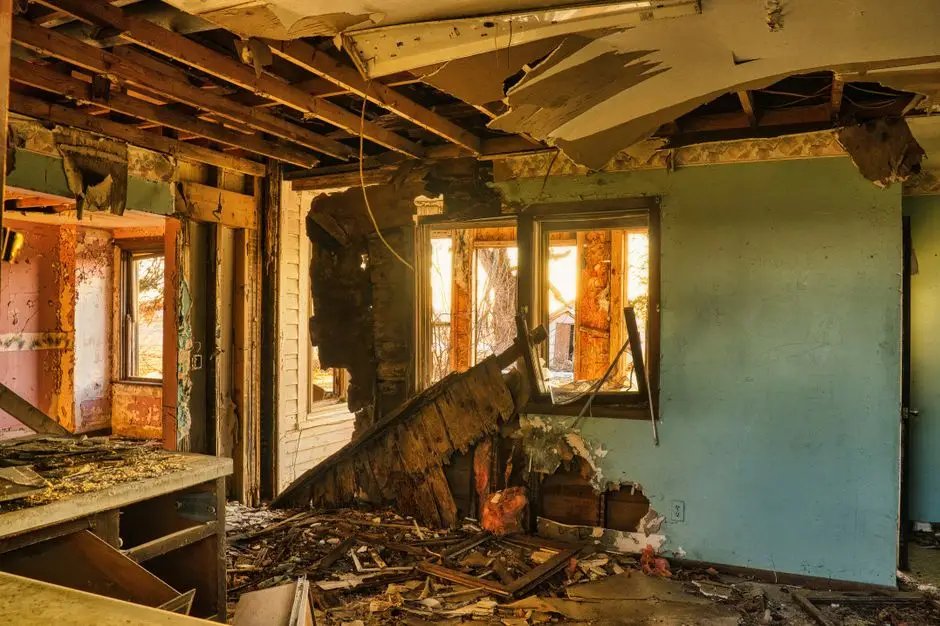
A slab leak under the hallway fed moisture into the baseboards and drywall for nearly three weeks before the homeowner noticed warped flooring. Black mold covered the back side of the drywall along a 14-foot stretch, and the subfloor read 28 percent moisture on our meter.
After: We removed 14 feet of drywall and baseboard, treated the framing, dried the subfloor to 11 percent over four days, and rebuilt the hallway. Clearance testing came back at normal outdoor spore levels, and the homeowner had documentation for their insurance claim.
Book this service →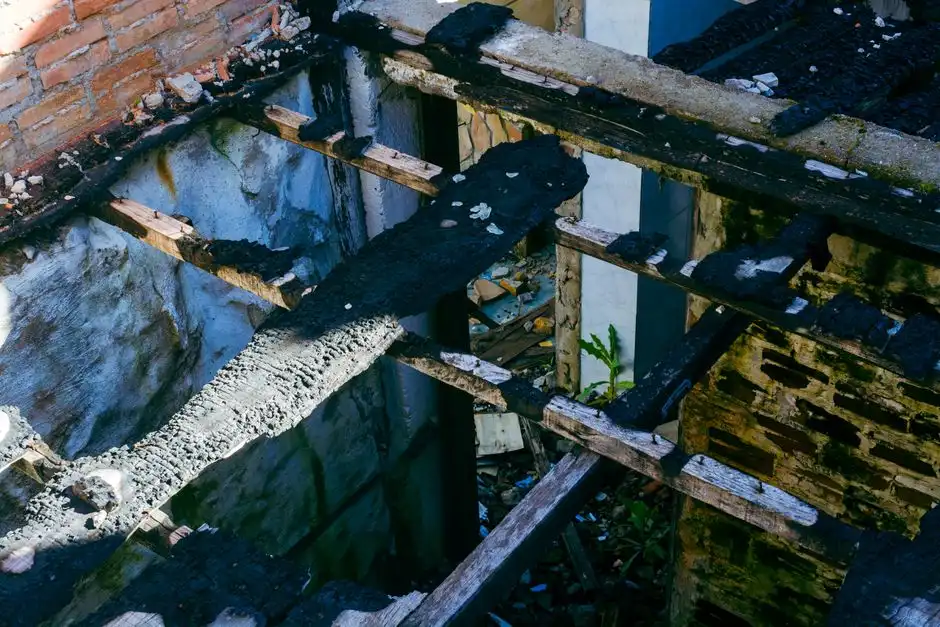
Storm surge pushed six inches of saltwater into a beachfront cottage, soaking the lower two feet of every wall. The owner found mold growth on the drywall paper within a week, and the musty smell was noticeable from the front porch.
After: We extracted standing water, cut drywall to 24 inches, removed saturated insulation, treated framing with antimicrobial spray, and dried the structure over five days. Third-party clearance passed on the first test, and we rebuilt the walls and trim within two weeks.
Book this service →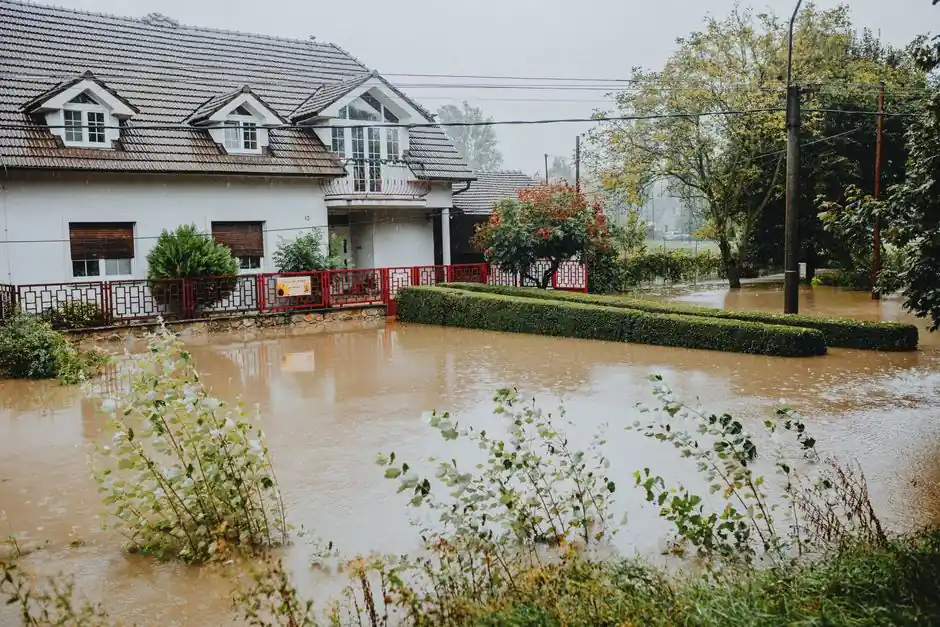
Years of high water table moisture left the crawl space under a 1960s ranch damp and musty. Joists showed surface mold growth, the old vapor barrier was torn in a dozen places, and the homeowner's allergies had gotten worse every summer.
After: We removed the failed barrier, HEPA-vacuumed and treated the joists, installed a new 12-mil vapor barrier, and dried the space to target readings over three days. The musty smell upstairs disappeared within two weeks.
Book this service →Most mold calls we get fall into a handful of patterns. If any of these sound familiar, we have fixed it before - usually more than once on the same street.
Ask a pro →We use thermal imaging and moisture mapping sensors to locate the hidden source, then contain and remove the affected material. The smell disappears because the colony is actually gone, not masked.
We test first to confirm the species, contain the area, remove the affected drywall to clean lines, treat the framing, and dry the cavity. Clearance testing confirms the spores are gone before we rebuild.
We extract standing water, replace failed vapor barriers, treat joists with antimicrobial spray, and dry the space with commercial dehumidifiers. Most crawl spaces stay dry afterward with a properly sealed barrier.
We find the actual source - a pinhole copper piping leak, a failed sump pump, a roof leak - and document it. Then we remediate the mold and coordinate the repair so it does not come back a third time.
$800 - $10,000+ depending on scope
Typical 2026 pricing for mold remediation in this area runs $1,200 to $6,500 for most residential jobs, with small contained areas starting around $800 and large post-flood projects exceeding $10,000. The biggest cost drivers are square footage, mold species, whether reconstruction is needed, and how much material has to be removed versus cleaned. We give you a written scope and price before work starts, and we build it in Xactimate so your adjuster can review line items directly. No surprise invoices.
The price reflects real containment, real HEPA filtration, real drying equipment, and independent clearance testing. Cutting any of those steps is how mold comes back - and how a cheap job turns into a second, more expensive one.
A 40-square-foot bathroom corner is a different job than 800 square feet of living space. Containment, removal, and drying equipment all scale with area, and so does the price.
Get a quote ↗Stachybotrys (black mold) requires more aggressive containment and disposal protocols than common Cladosporium or Aspergillus. Lab testing tells us which protocol applies before we quote.
Get a quote ↗Porous materials like drywall, insulation, and carpet padding come out. Hard surfaces like framing, tile, and concrete can often be cleaned and treated, which lowers the cost.
Get a quote ↗New drywall, paint, trim, and flooring are quoted separately from remediation. Some homeowners handle the rebuild themselves; most prefer us to finish the job under one warranty.
Get a quote ↗“A slab leak soaked our hallway and we did not notice for two weeks. The baseboards were black behind the paint. Their crew found it with a thermal camera in ten minutes, contained the hall, and had the drywall out the same day. Clearance testing came back clean and they rebuilt everything. Straight answers the whole way through.”
Marcus T.Homeowner, Gulf Hills
✓ Verified“We manage six rentals near the beach and storm surge is a constant battle. After the last flood, they handled mold removal in three units at once, worked directly with our insurance adjuster, and gave us Xactimate scopes that got approved without a fight. Turnaround was under two weeks on all three.”
Danielle R.Property Manager, East Beach
✓ Verified“My crawl space had been damp for years and I kept getting musty air upstairs. They installed a new vapor barrier, treated the joists, and dried the whole space out. My wife's allergies improved within a month. Fair price, no upselling, and they showed me the moisture readings before and after.”
Ray P.Homeowner, Fort Bayou
✓ VerifiedMost residential jobs in this area run $1,200 to $6,500 in 2026, with small contained areas starting around $800 and whole-floor remediation after storm surge flooding reaching $10,000 or more. Square footage, mold type, and whether reconstruction is needed drive the number. Crawl space work usually costs less than living-space work because there is less finish material to replace.
Yes - Stachybotrys (black mold) produces mycotoxins and should never be disturbed without containment. It needs sustained moisture, so it shows up most often on drywall and plywood that stayed wet for a week or more after a roof leak or slab leak. Health effects range from chronic sinus issues to serious respiratory reactions. If you can see it, do not scrub it - call us for testing first.
A contained bathroom or closet typically takes two to four days from containment to clearance. A full room with drywall removal and drying runs five to seven days. Whole-home jobs after storm surge flooding can take two to three weeks including reconstruction. The drying phase is the variable - humid Gulf Coast air slows evaporation, so we run dehumidifiers longer here than crews would inland.
It usually does when the mold traces back to a covered event - a burst pipe, appliance overflow, or storm damage. It typically does not cover long-term seepage or neglect you could have caught earlier. We document everything in Xactimate format, photograph affected materials, and work directly with your adjuster. If a claim gets denied, we will tell you why and quote the work fairly.
Mold spreads while you wait. Call (228) 279-0515 and we will schedule an inspection, test the air, and give you a written scope before any work begins. Licensed, insured, and IICRC-certified - and we answer the phone 24/7.
Schedule Inspection (228) 279-0515 →Call us at (228) 279-0515 any time, day or night. We answer live and dispatch immediately for emergency water damage. For non-emergency questions or to schedule an inspection, email us or stop by our office in Ocean Springs. We serve all of Jackson County.