Emergency Water Extraction
We pump standing water with truck-mounted or portable extraction units, typically clearing a standard basement in two to four hours. Includes initial water source shutoff and a quick assessment of what can be saved.
Basement Water Damage Restoration in Ocean Springs is what we do when storm surge, a burst pipe, or a failed sump pump turns your lower level into a swimming pool. We pull the standing water, dry the structure, and repair what the moisture wrecked. One call gets a crew moving to your door, day or night.
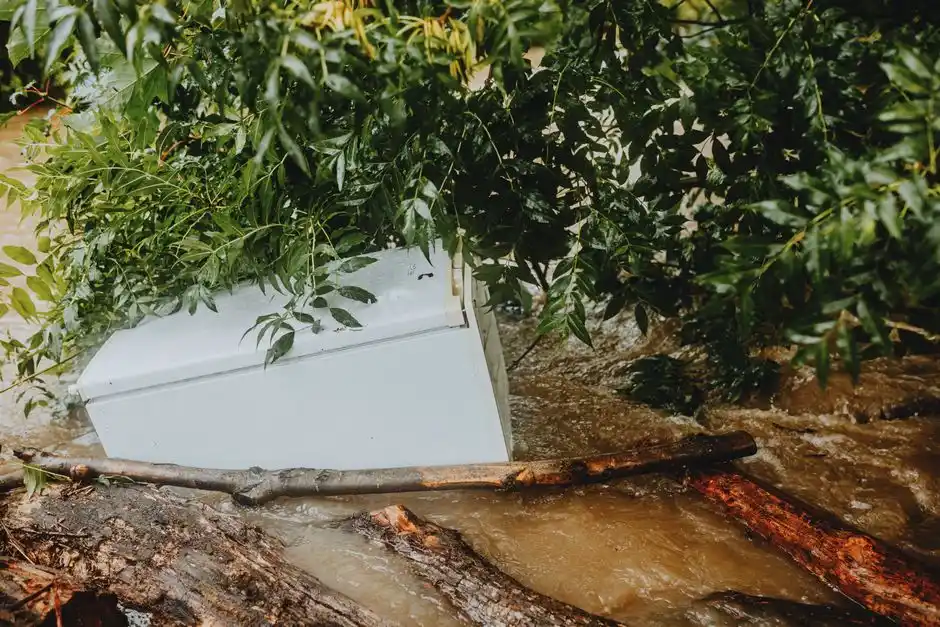
Basement Water Damage Restoration in Ocean Springs is the full teardown-and-rebuild of a wet lower level: extracting standing water, mapping hidden moisture, drying the structure, and repairing the drywall, flooring, and framing that took on water. We run moisture meters and a thermal imaging camera across every wall before we call anything dry. Water hides behind baseboards and under carpet padding, so we verify with readings, not eyeballs.
Ocean Springs basements and lower levels sit close to the water table, and our clay-heavy soil does not drain fast after a Gulf storm. A roof leak during a summer downpour or a water heater leak in January can leave two inches of water before you notice. That is why so many homeowners search for flooded basement cleanup Ocean Springs MS the morning after a storm. We handle the whole job, from the first pump-out to the last coat of paint.
Every basement job starts with the same core scope: extract the water, dry the structure, verify with readings, and repair what the water ruined. What changes is how much material has to come out and how far the moisture traveled. Here is what is covered on a standard job.
We pump standing water with truck-mounted or portable extraction units, typically clearing a standard basement in two to four hours. Includes initial water source shutoff and a quick assessment of what can be saved.
We scan walls, floors, and ceilings with a thermal imaging camera and moisture meter to find hidden water. You get a moisture map showing exactly where the wet zones are before we start drying.
Dri-Eaz dehumidifiers and B-Air air movers dry the framing, subfloor, and remaining drywall. We log hygrometer readings daily and keep equipment running until the space hits dry standard.
Saturated carpet padding, insulation, and drywall above the flood line get cut out and hauled away. Sewage backup water gets an antimicrobial spray before anything else happens.
Once dry, we replace drywall, baseboards, insulation, and flooring. We match texture and paint so the repaired area blends with the rest of your basement.
We photograph, measure, and price the job in Xactimate so your adjuster has what they need. You get a copy of the full file, and we will talk to your insurer directly.
Call us and we dispatch a crew, usually within 60 to 90 minutes for Ocean Springs addresses. We ask what happened, shut off the water source if it is still running, and tell you what to move upstairs before we arrive. You get a real arrival window, not a four-hour maybe.
We walk the space with a FLIR thermal imaging camera, a moisture meter, and a bore scope to find water behind walls and under floors. This takes 30 to 45 minutes on a typical basement. You see the readings and the moisture map before we start any work.
We pump standing water with a water extraction unit, then pull saturated carpet padding and any drywall that has wicked above the flood line. A standard basement extraction runs two to four hours. Contaminated water from a sewage backup gets an antimicrobial spray before anything else.
We set Dri-Eaz dehumidifiers and B-Air air movers to dry the framing, subfloor, and remaining drywall. Most basements reach dry standard in three to five days. We log hygrometer readings each day and send you the numbers so you can watch the moisture drop.
Once moisture readings match a dry baseline, we replace drywall, baseboards, insulation, and flooring. Rebuilds usually take one to two weeks depending on scope. We do a final walkthrough with you, hand over the documentation file, and warranty the repair work.

Call us and we dispatch a crew, usually within 60 to 90 minutes for Ocean Springs addresses. We ask what happened, shut off the water source if it is still running, and tell you what to move upstairs before we arrive. You get a real arrival window, not a four-hour maybe.
Scans walls and floors to find temperature differences that reveal hidden moisture behind finished surfaces. We use it before we cut anything open.
Measures moisture content in drywall, wood, and concrete, and tracks relative humidity in the air. We log readings daily to confirm the space is drying.
Pulls moisture out of the air so wet materials release their water faster. A standard basement runs two to three units during the drying phase.
Circulates air across wet surfaces to speed evaporation. We position them based on the moisture map, not just wherever they fit.
Truck-mounted and portable units that pull hundreds of gallons an hour from standing water. This is the first tool on the job after a flood.
A small camera we feed into wall cavities to see water damage without tearing out more drywall than necessary.
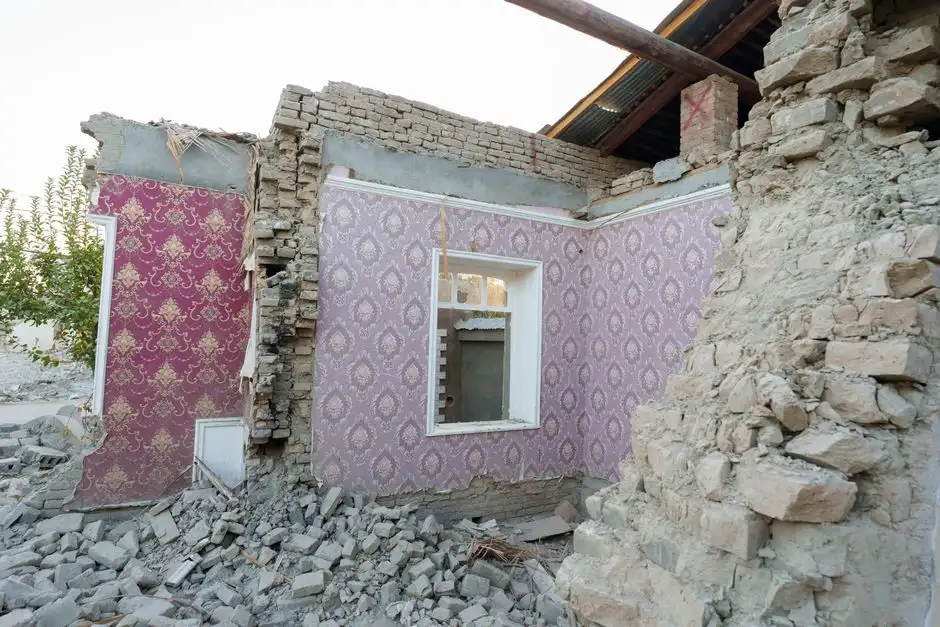
A supply line burst behind a finished wall overnight, soaking 300 square feet of carpet and drywall. Water had wicked 14 inches up the wall by morning, and the carpet padding was fully saturated.
After: We extracted the water in three hours, cut out the wet drywall, and dried the cavity in four days. New drywall, baseboards, and carpet went in within two weeks. Final moisture readings matched a dry baseline.
Book this service →Hurricane surge pushed four inches of contaminated water into a lower level. Carpet, padding, and the bottom two feet of drywall were soaked with category 3 water.
After: We pumped the water out in two hours, removed all contaminated material, applied antimicrobial spray, and dried the space in five days. The rebuild was finished in 12 days and the flood claim was approved without a dispute.
Book this service →
A sump pump died during a spring storm and left eight inches of water on a slab foundation. Hardwood flooring above the slab had started to cup within two days.
After: We extracted the water in three hours and dried the slab and subfloor in four days. The hardwood was too far gone, so we replaced it and matched the finish to the rest of the floor.
Book this service →Water in a basement rarely stays a small problem. It spreads into framing, feeds mold, and warps anything made of wood. Here are the issues we see most often in Ocean Springs and how we shut them down.
Ask a pro →We extract the water the same day, cut out saturated material, and start drying immediately. Most basements are pumped clear within two to four hours of our arrival.
We use thermal imaging and a bore scope to find water behind walls before we cut. If moisture is there, we open the wall, dry the cavity, and repair it.
We shut off the source, extract standing water, and dry the slab and subfloor. We document the loss for your insurance claim and rebuild the damaged area.
We remove contaminated material, apply antimicrobial spray, and dry the space with the right protective gear. The basement comes back clean and safe to use.
$1,200 - $6,500 depending on scope
Typical 2026 pricing in the Ocean Springs area runs $1,800 to $6,500 for a residential basement job, with small pump-outs and dry-outs starting near $1,200. The number depends on how much water you have, what category it is, and how much material has to be replaced. We give you a written estimate before work starts, and we bill your insurer directly when the claim covers the loss. You will not get a surprise invoice at the end.
You are paying for verified drying, not just a pump-out. A basement that looks dry but still holds moisture grows mold in three weeks, and that costs more to fix than doing it right the first time.
A 200-square-foot utility corner costs far less than a 900-square-foot finished basement. More area means more extraction time, more drying equipment, and more material to replace.
Get a quote ↗Clean water from a supply line is the cheapest to handle. Category 3 water from sewage or storm surge requires removal of contaminated material and antimicrobial treatment, which adds cost.
Get a quote ↗Water that has been sitting for a week wicks higher and grows mold. That means more drywall comes out and remediation may be needed before the rebuild.
Get a quote ↗Carpet padding is cheap to replace. Hardwood flooring, finished drywall, and custom cabinetry cost more. We tell you what can be saved and what has to go.
Get a quote ↗“A pipe burst behind our finished basement wall at 1 a.m. and water was everywhere by morning. The crew showed up in about an hour, cut out the wet drywall, and had dehumidifiers running the same day. They logged readings every day and sent them to me. Five days later the basement was dry and they rebuilt the wall. No mold, no smell.”
Marcus T.Homeowner, Gulf Hills
✓ Verified“Storm surge pushed water into our lower level after a hurricane. They pumped it out, hauled off the ruined carpet padding, and treated everything for bacteria. The Xactimate file they built made our flood claim go through without a fight. Took about two weeks start to finish, and the rebuild looks better than it did before.”
Denise R.Homeowner, East Beach
✓ Verified“Our sump pump died during a heavy rain and the basement took on about eight inches. They extracted it in a few hours and set up drying equipment. What I appreciated was the honesty. They told me the hardwood was too far gone instead of trying to save it and billing me for a lost cause. Replaced it and matched the rest of the floor.”
Raymond P.Property Owner, St. Martin
✓ VerifiedMost residential jobs run $1,800 to $6,500 in 2026, with a small pump-out and dry starting near $1,200 and a full rebuild with new drywall and flooring running higher. Square footage, water category, and how much material has to be replaced drive the number. We give you a written estimate before work starts, and we bill insurance directly when the claim covers it.
A typical basement reaches dry standard in three to five days. That assumes we get dehumidifiers and air movers running within the first 24 hours. Thick carpet padding, saturated insulation, or a slab that has been wet for a week can push it to six or seven days. We check readings daily and tell you when the numbers actually hold.
Yes. We run truck-mounted and portable water extraction units that pull hundreds of gallons an hour, and we can start pumping the same day you call. For a basement holding a foot of water, expect two to four hours of extraction on a standard 400 to 600 square foot space. We handle storm surge flooding and sewage backup water with the right safety gear.
Most policies cover sudden events like a burst pipe, water heater leak, or appliance overflow. Flooding from storm surge or rising groundwater usually needs a separate flood policy. We document the loss in Xactimate, photograph everything, and work with your adjuster so the claim reflects the real scope of the damage.
Every hour your basement stays wet raises the repair bill and the odds of mold. We are licensed, insured, and staffed 24/7 for emergency calls across Ocean Springs and Jackson County. Call (228) 279-0515 and we will get a crew moving to your address.
Call Now (228) 279-0515 →Call us at (228) 279-0515 any time, day or night. We answer live and dispatch immediately for emergency water damage. For non-emergency questions or to schedule an inspection, email us or stop by our office in Ocean Springs. We serve all of Jackson County.